Parents and planners call me with the same two questions every spring. What do kids love most, and what fits in my yard without turning the lawn into a mud pit? After two decades helping families, schools, churches, and companies book inflatable party rentals, I have a short list that works nine times out of ten. The right mix depends on your space, your age group, and how much oversight you can give during the party. The rest is details, and the details matter.
Before we get to the top ten, keep two truths in mind. First, simplicity beats novelty for most kids under 8. A clean, roomy bounce house with a friendly theme outperforms complicated contraptions that clog with a dozen tiny feet. Second, flow is your friend. A backyard with one main attraction and two quick activities nearby runs smoother than a yard with four showpieces that each need a referee.
The short list, part one
Here are the first five rentals that consistently deliver across backyard party rentals, school event rentals, church event inflatables, and neighborhood block parties. These pair well with basic party equipment rentals like table and chair rentals and small carnival game rentals.
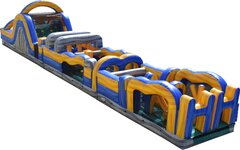
- Classic bounce house rentals, 13 by 13: The workhorse for ages 3 to 8. Reliable, fast to set up, and it fits in most yards. Choose a neutral color or a theme that matches your cake. Combo bounce house with slide: A bounce area plus a short slide, sometimes with a small basketball hoop inside. Great for mixed ages when you want more than jumping but not a huge footprint. Water slide rentals, 15 to 18 feet: The summer favorite. Single lane keeps traffic simple. Expect a constant trickle of water and a lot of squeals. Inflatable obstacle course, 30 to 40 feet: Best for school fun days and larger yards. Kids race through pop-ups, tunnels, and a small climb. It moves lines quickly at busy events. Toddler playland: A low-walled jumper with soft shapes, mini slide, and open sight lines. Ideal for ages 1 to 4, especially when you want a dedicated toddler zone.
The short list, part two
If you have a bit more space or you are planning corporate event rentals or bigger neighborhood parties, these five round out a top ten that covers most scenarios.
- Dual lane water slide, 18 to 22 feet: Two chutes, double the throughput. Works well for bigger groups that can handle a little competition and splashing. Jumbo moonwalk rentals, 15 by 15 or 16 by 16: The classic idea, simply bigger. If you have the room, the extra square footage eases crowding. Obstacle course rentals, 60 feet and up: Long course with a climb and slide finish. A main attraction for school field days and church festivals where lines are part of the fun. Dry slide, 18 to 20 feet: When water is not an option, a tall dry slide still feels epic. Less mess, slightly more friction, still safe and thrilling. Backyard sports or interactive game inflatable: Connect Four basketball, soccer darts, or small bungee runs. These add variety and keep older kids or teens engaged without babysitting.
That list covers the core of kids party rentals and the builds that hold up under real use. Now, let’s dig into the details that decide what belongs in your yard.
Matching the rental to your space and crowd
The first pass is always measurements. A standard 13 by 13 bounce house needs a minimum footprint of roughly 15 by 15 feet to account for stakes and blower placement. A combo bounce house often runs 15 by 25. A 30 foot inflatable obstacle course wants a straight 40 foot lane for safe entry and exit. Measure gate widths too. Many jumpers roll in at 34 to 36 inches wide on a dolly. If you have a narrow side yard at church fundraiser rentals 30 inches between the house and fence, tell your provider. There are compact models that can fold or tilt through tighter spots, but hauling a 300 pound vinyl unit over a fence is not something a reputable company will do.
Surface matters almost as much as size. Grass makes the best landing and is easiest to stake. Concrete and artificial turf are workable with heavy sandbags and ground padding. If you are booking for an apartment complex or a school courtyard where staking is prohibited, ask for sandbag rated setups and confirm they include extra straps and friction mats. Gravel can work if the yard is level and the operator brings a tarp or foam underlay, but it is nobody’s first choice.
Crowd size changes the calculus. For a birthday party with 12 to 16 kids, a single moonwalk or a combo bounce house carries the day. For a class party with 60 third graders, a single unit creates a bottleneck and turns the teacher into a bouncer. In that case, pair an inflatable obstacle course with a second activity. Carnival game rentals like ring toss, a mini putt, or a milk bottle knockdown add quick-turn stations so kids cycle without lingering. At company picnics, I often set a dry slide on one side of the field, an obstacle course on the other, and a toddler playland near the shade. That layout spreads noise and energy so lines feel shorter.
Water, power, and the quiet questions people forget to ask
Every blower needs a dedicated 15 amp circuit. That means one full outlet with nothing else drawing from it. String lights, a refrigerator, or a space heater on the same line can trip a breaker when the blower kicks. Plan one blower per unit. A 13 by 13 typically runs on a 1 to 1.5 horsepower blower, which draws 7 to 12 amps. Larger slides and obstacle courses may need two blowers. If your panel is older or marginal, ask about a generator. A contractor grade 6500 watt generator can power two or three blowers safely. A good operator will bring heavy gauge cords and ground fault protection on wet setups.
Water usage surprises some hosts. A single lane water slide uses a slow hose stream, around 3 to 5 gallons per minute. Over three hours, that is 540 to 900 gallons. If you are on metered water in a drought sensitive area, consider a dry slide with a mist kit you can toggle. Always place water slides on grass or a swale where runoff will not pool under your patio or flow down a neighbor’s driveway.
Sound is present but manageable. A blower hums around the level of a box fan on high, noticeable but not conversation killing. Keep blowers at the far corner of the yard, pointed away from the deck or main seating. Operators should place a foam pad under the blower to tame vibrations on concrete.
Safety and sanitation you can verify in 60 seconds
Reputable inflatable party rentals companies take safety seriously. You can tell within a minute of the crew arriving. Clean vinyl is step one. Units should look and smell fresh, not like the back of a gym. A light citrus disinfectant scent is common. Party rentals Stains happen over time, but grime and sticky residues are a red flag. Ask when the last deep cleaning occurred. Weekly during peak season is a good sign.
Anchoring is non-negotiable. On grass, look for 18 to 24 inch steel stakes driven fully down, one at every corner plus midpoints for larger units. Nylon or ratchet straps should be taut. On hard surfaces, expect multiple 50 to 100 pound sandbags per anchor point, sometimes doubled, with straps running in opposing angles. A single ornamental sandbag tossed on a corner strap is not acceptable. If winds exceed 15 to 20 mph sustained, large vertical slides and tall combos should come down. Many contracts state a wind limit at 15 to 17 mph for tall units and 20 to 25 mph for standard bounce houses, but good judgment wins. If gusts are tossing tree branches, nobody should be at the top of a slide.
Supervision is the quiet safety win. A volunteer attendant who simply counts kids and keeps ages grouped will prevent most collisions. Five to eight small children inside a standard jumper is the usual limit. Post a simple rule card by the entrance. No flips, no shoes, no food or drinks. Keep toddlers off the slide stairs when older kids are coming down, and send them in pairs or one at a time depending on the unit design.
Pricing and what a good quote includes
For inflatable rentals near me, standard pricing for a 13 by 13 bounce house rentals ranges from 150 to 275 dollars for a 4 to 6 hour block. A combo bounce house runs 225 to 375. Water slide rentals often start near 300 and run into the 600 range for taller dual lanes. Obstacle course rentals are the broadest range, roughly 300 to 900 depending on length and complexity. A dry slide usually falls between 250 and 450. Pricing varies by region, season, and how far you are from the warehouse.
A complete quote should specify delivery and pickup windows, setup surface, power needs, staffing if requested, and any fees for stairs, distance carries, or after dark pickups. Ask whether the company is insured and request a certificate of insurance if your venue requires it. For school event rentals and corporate event rentals, most venues will ask to be listed as additionally insured. That is routine for professional operators and typically free or a small admin fee.
Layout that keeps kids moving and grownups sane
Space the main inflatable 5 to 6 feet from fences and walls. Leave 3 to 4 feet clear around blowers and tie-downs so nobody trips. If you add concession machine rentals, keep them on the opposite side from water activities. Snow cone machines and candy floss carts do not love overspray. Place table and chair rentals in a U shape near the food to make a natural eating zone and sight line for parents. If you set a toddler playland, give it a buffer from the bigger attractions so tiny walkers are not spooked by the thud of older kids landing.
For school field days, create stations with clear start and finish lines. A 40 foot inflatable obstacle course works well in relay format. Two teams, one runner at a time, and a teacher with a whistle gives structure without chaos. At church festivals, put the dual lane water slide near the field edge with a long runout and a ground tarp so wet feet do not turn your midway into mud.
Choosing themes and colors that age well
Themed moonwalk rentals sell because kids love to see their favorite characters. If your child has a current obsession, go for it. For mixed age or multi-use events, neutral colors age better and photograph well. Primary colors and castle styles work across birthdays, school spirit days, and community events. A combo bounce house with a generic banner space lets you swap a theme panel without changing the whole unit. That is handy when you want a Spider-themed fifth birthday and a general carnival feel for the end of school picnic the next week.
Weather planning without drama
Light rain is manageable for dry units with a roof, and vinyl dries quickly with towels. Operators often pause setups for showers, then resume when it clears. Water slides, of course, ignore drizzle. Thunder and lightning change the equation. If there is lightning in the area, deflate and clear. High winds are the harder call. As noted, once winds touch the mid teens steady, anything tall becomes questionable. Check your contract for weather policies. Many companies offer a rain check if you cancel before delivery due to forecasted storms. Decide by 7 or 8 a.m. For afternoon events to avoid wasted trips and fees.
What a typical setup looks like, minute by minute
On a smooth day, a two person crew arrives within a 30 to 60 minute window of your scheduled time. They walk the yard, confirm measurements, and locate power. One person rolls the unit on a dolly, unrolls and positions it while the other runs cords and stakes the corners. Blowers connect last, then the vinyl inflates in under two minutes. While it fills, straps tighten, seams check, and a quick wipe removes transport dust. For a standard jumper, total setup is 20 minutes. A combo takes closer to 30. A large obstacle course or 20 foot slide may run 45 minutes, longer if sandbags are required. Teardown is faster, but expect 20 to 40 minutes depending on size and surface.
Sanity savers I have learned the hard way
The number one bottleneck at kids parties is footwear. Designate a shoe tarp by the entrance and put a parent or older cousin in charge of reminding kids. A jumble of shoes at the door slows everyone and turns into a lost shoe scavenger hunt at dusk.
Hydration near water slides helps, but cups tip. Use squeeze bottles or covered cups and a folding table six feet from the splash zone. Keep a dry towel stash and a small bin for forgotten socks.
If your yard slopes, place the slide so kids climb uphill and land downhill, not the other way around. The natural assist on the slide keeps momentum safe and prevents kids from sliding too fast into a short landing.
Plan the cake after the peak play window. Sugar plus jumping yields side stitches and occasional tummy trouble. Let them burn off energy, sing, then open gifts while the blower hums in the background.
Bundles that stretch your budget
Event rentals work best as bundles. For a backyard birthday, the smart package is a combo bounce house, one concession machine, and seating. Popcorn machines are easy to run and cheap per serving, roughly 25 cents each. Snow cones work well on hot days but need ice and a drip plan. Cotton candy draws a crowd and looks magical, but it makes sticky hands, so place wipes nearby. Add two 6 foot tables and twelve folding chairs, and you have a complete setup for under 400 to 600 dollars in many markets.
For larger school or church dates, pair an inflatable obstacle course with a dry slide and two to three carnival game rentals. That mix spreads kids across activities with minimal staffing. If your PTO wants to raise funds, sell wristbands for unlimited play and staff the inflatables with high school volunteers. Provide rotating 30 minute shifts so nobody burns out.
A quick planning checklist
Use this short list a week out so the day runs smooth.
- Measure your yard, gate, and the path from driveway to setup spot. Share photos if anything is tight. Confirm power, one dedicated 15 amp outlet per blower, or rent a generator. Decide surface, grass, turf, or concrete, and ask for stakes or sandbags accordingly. Set a weather line, a time by which you will call a go or pause based on forecast. Assign two adult attendants for busy parties, one at entry, one floating.
When to step up, and when to keep it simple
It is tempting to go big with a dual lane 22 foot water slide because your neighbor did last year. For a group of 8 year olds, it is fantastic. For a mixed crowd with toddlers and grandparents, it can dominate the space and the soundtrack. Simple moonwalk rentals shine at younger birthdays because the play is intuitive and the risks are lower. The combo bounce house is a great middle ground that feels special without demanding a lifeguard. Once kids hit 9 to 12, speed becomes the thrill. That is where taller slides and inflatable obstacle courses win.
At corporate picnics, think in terms of zones. A toddler corner with a soft playland, a primary zone with a combo and a game, and a tween and teen area with a dry slide or interactive sports game. That way employees can socialize while their kids self sort, and everyone leaves happy without the sense that the day was built for only one age group.
Working with a professional operator
Look for clear communication, proof of insurance, and equipment photos that match what will arrive. Ask how often they rotate inventory. Most units have a service life of 3 to 6 seasons depending on usage and care. Newer does not always mean better, but clean stitching, intact netting, and crisp vinyl edges indicate good maintenance. Companies that also handle school event rentals and church event inflatables tend to have sharper safety practices because those venues demand it.
Expect a contract and a deposit, often 25 to 50 percent. Read the fine print around stairs, hills, and obstacles. A note like no setups on dirt and steep slopes over 15 degrees is there for your safety and their gear. On the day of, a professional crew will not argue if wind picks up or a surface proves unsafe. They will offer alternatives or reschedule. Treat that prudence as a mark of quality, not stubbornness.
The bottom line, tailored by scenario
If I had to pick one rental for a backyard birthday with kids ages 3 to 7, I would book a combo bounce house. It fills the yard with fun, handles a dozen kids in rotation, and photographs well for the memory book. For a hot June afternoon with older kids, a single lane 18 foot water slide and a simple ring toss or soccer darts on the side keeps the energy high and the stress low.
For a school fun day serving 200 students, a 40 to 60 foot inflatable obstacle course plus a dry slide delivers throughput. Layer in three compact carnival game rentals and a snow cone station. Place table and chair rentals in patches of shade and cycle classes by homeroom. For a church picnic, the same layout works, with the addition of a toddler playland near the fellowship hall and a popcorn cart by the welcome tent.
Whatever you choose, share the basics early. A couple of yard photos, the headcount and ages, and your time window let a rental company match you to the right gear. Good operators know their inventory like old friends, which pieces set up quickly on a narrow side yard, which slides load and unload cleanly, and which moonwalk rentals still look great after a hundred birthdays. They will steer you to the right fit if you give them a clear picture.
Kids remember the feeling more than the model. They remember racing their cousin on an obstacle course, sliding into cool grass with their hair plastered to their forehead, and bouncing until their cheeks flushed red. Get the anchors right, keep the blower humming, and let them jump.